Case Study: WW2 – Warsaw Transformation in Unreal Engine 5.7 Historical Visualization
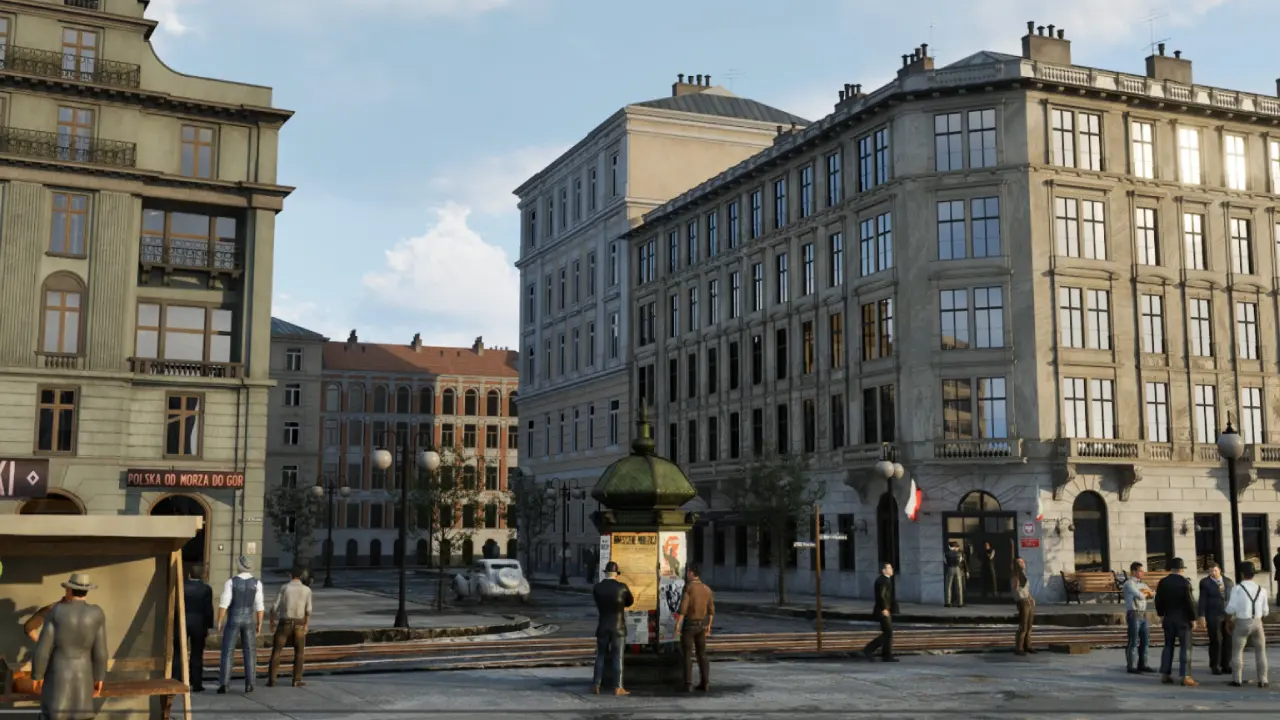
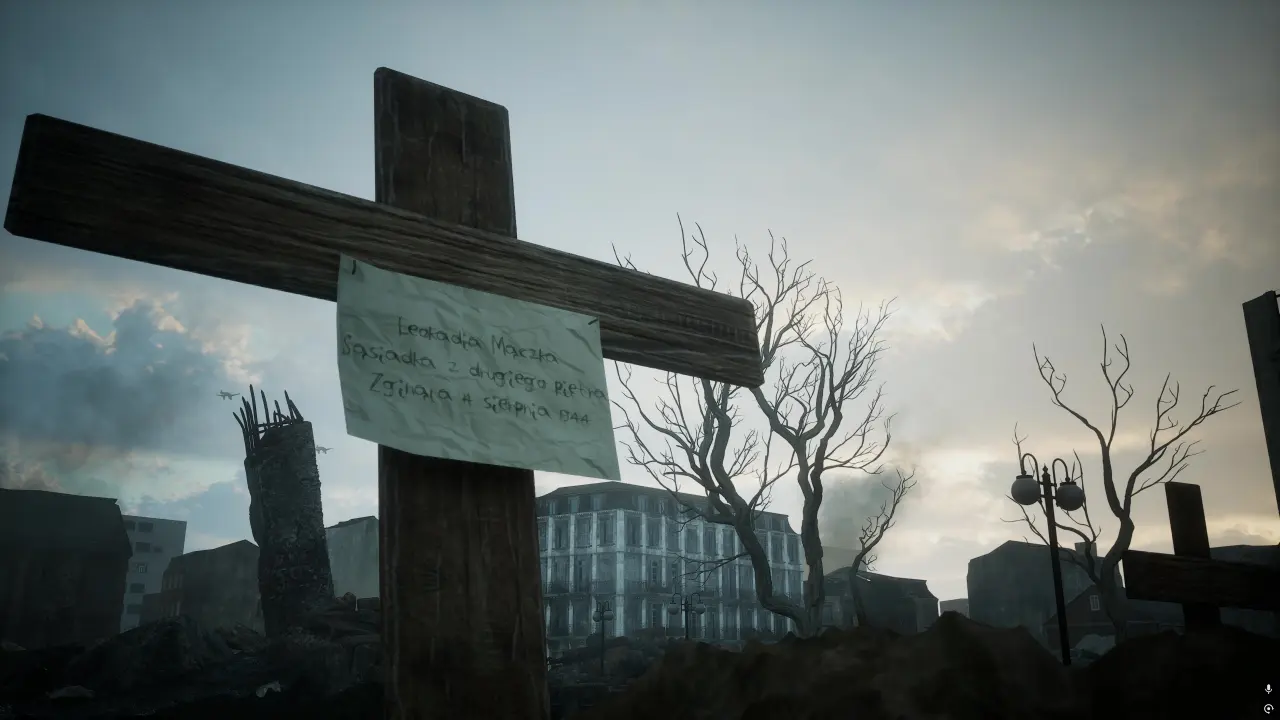
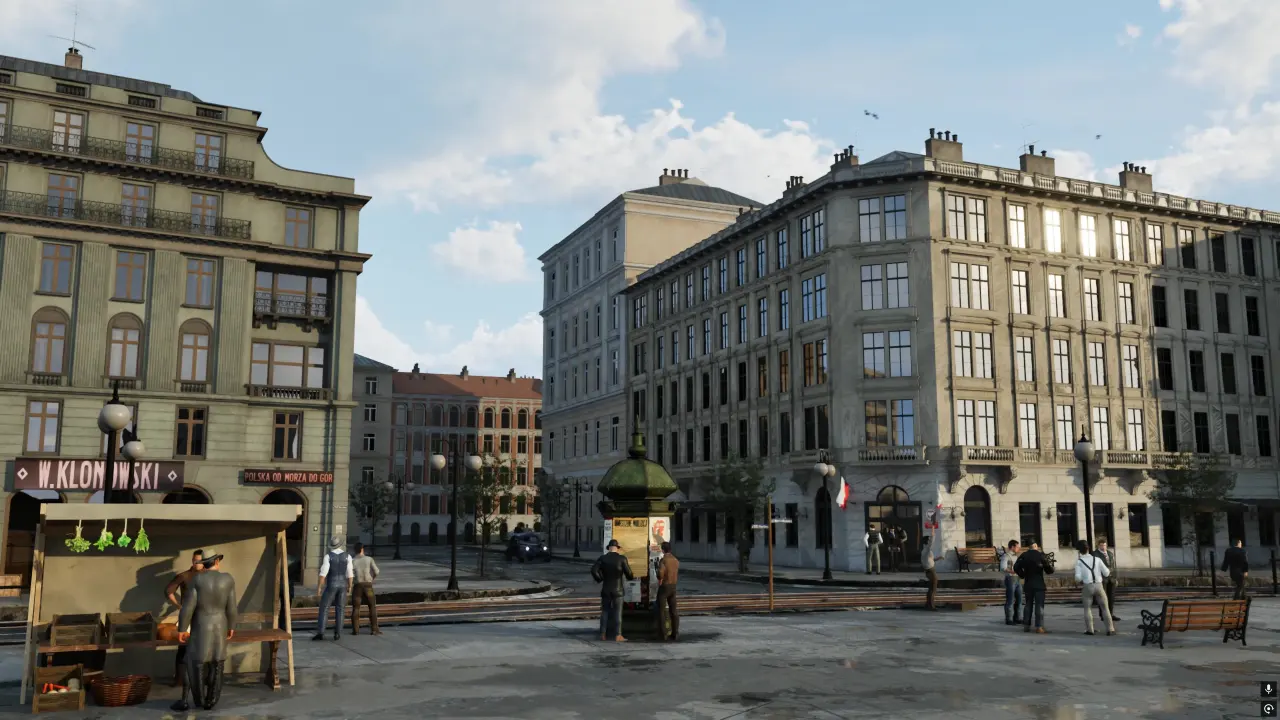
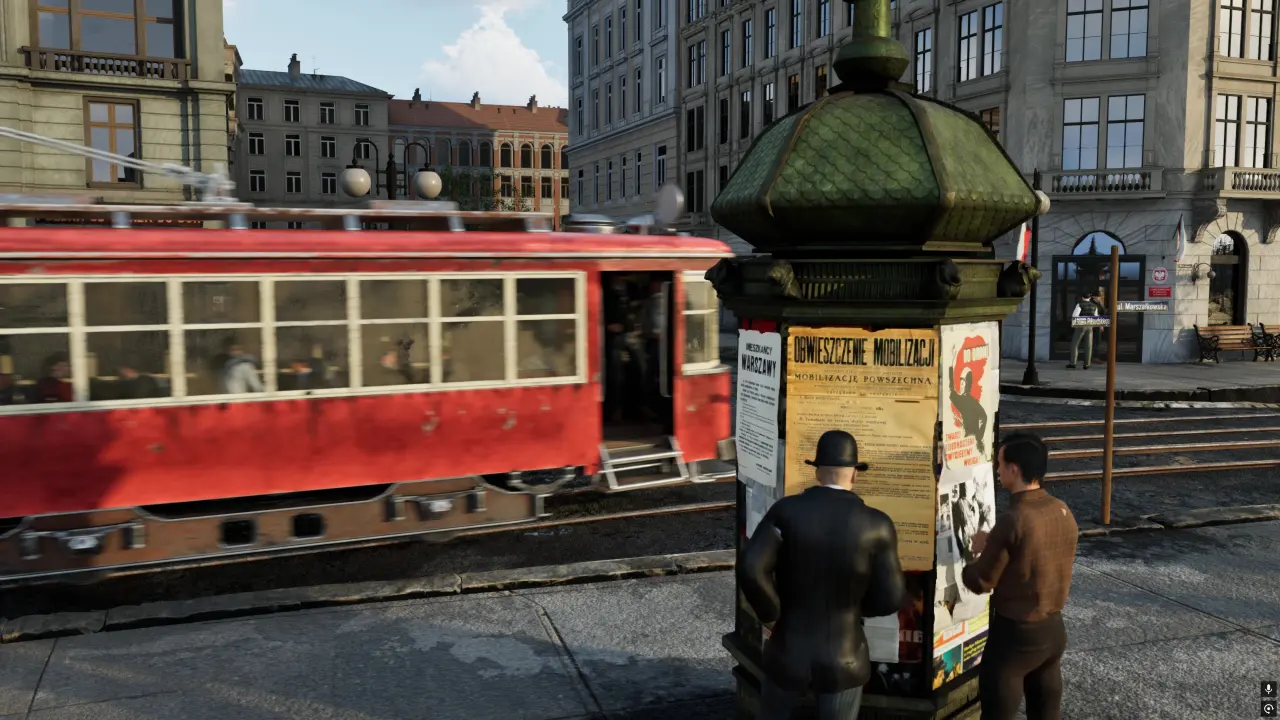
Experience a short preview of the Unreal Engine project we created for the Warsaw Museum. This video shows three key scenes: the city before World War 2, during the war, and after the destruction. Every building, street, object, and environment was recreated in full 3D to help visitors understand how Warsaw transformed across these periods.
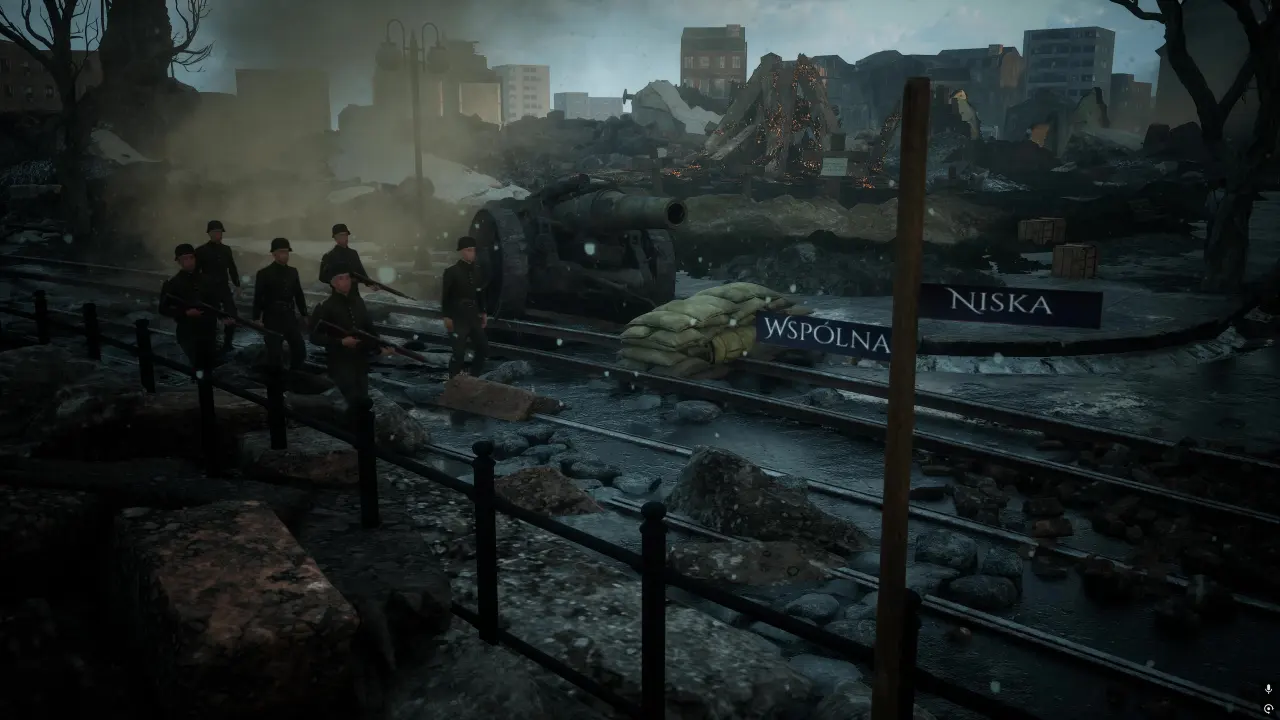
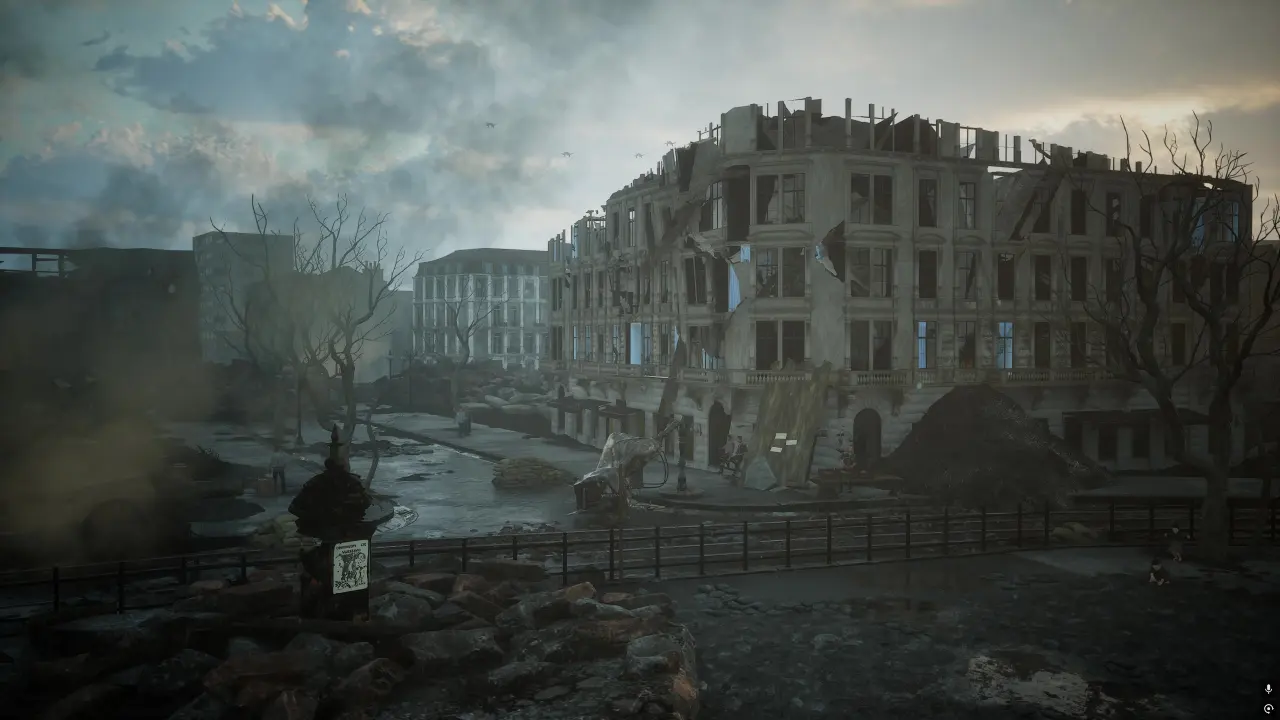
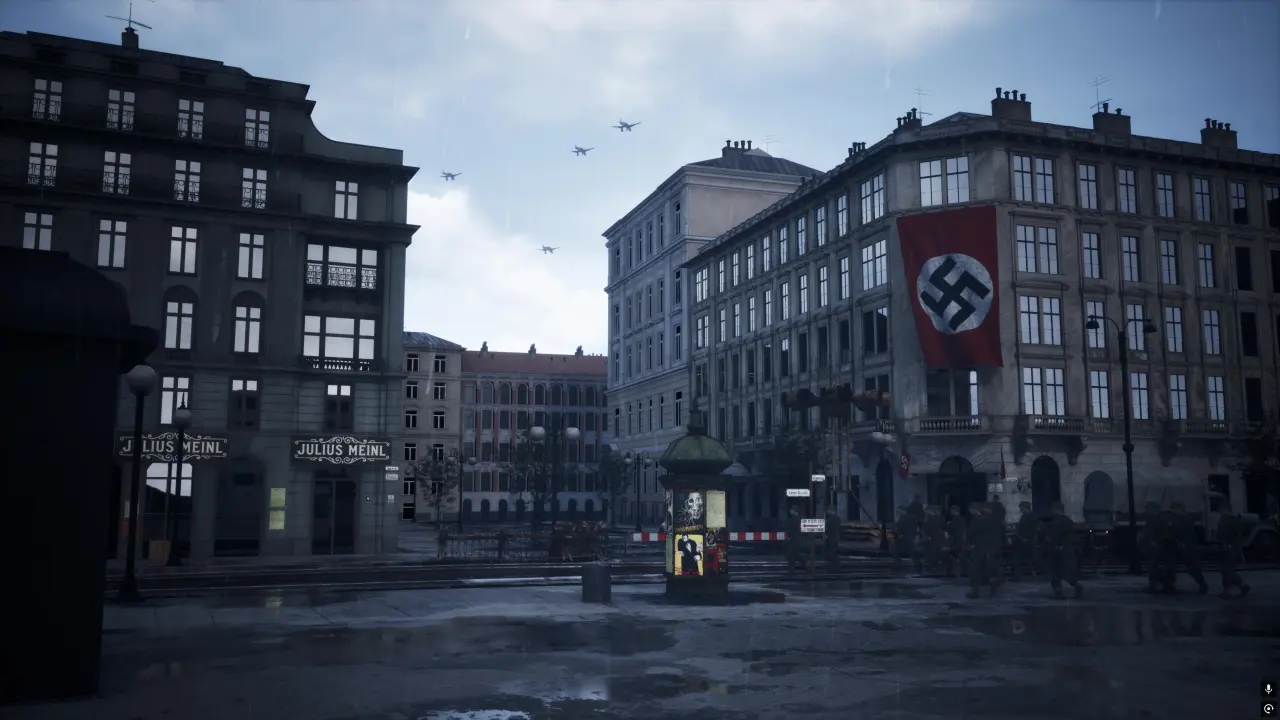
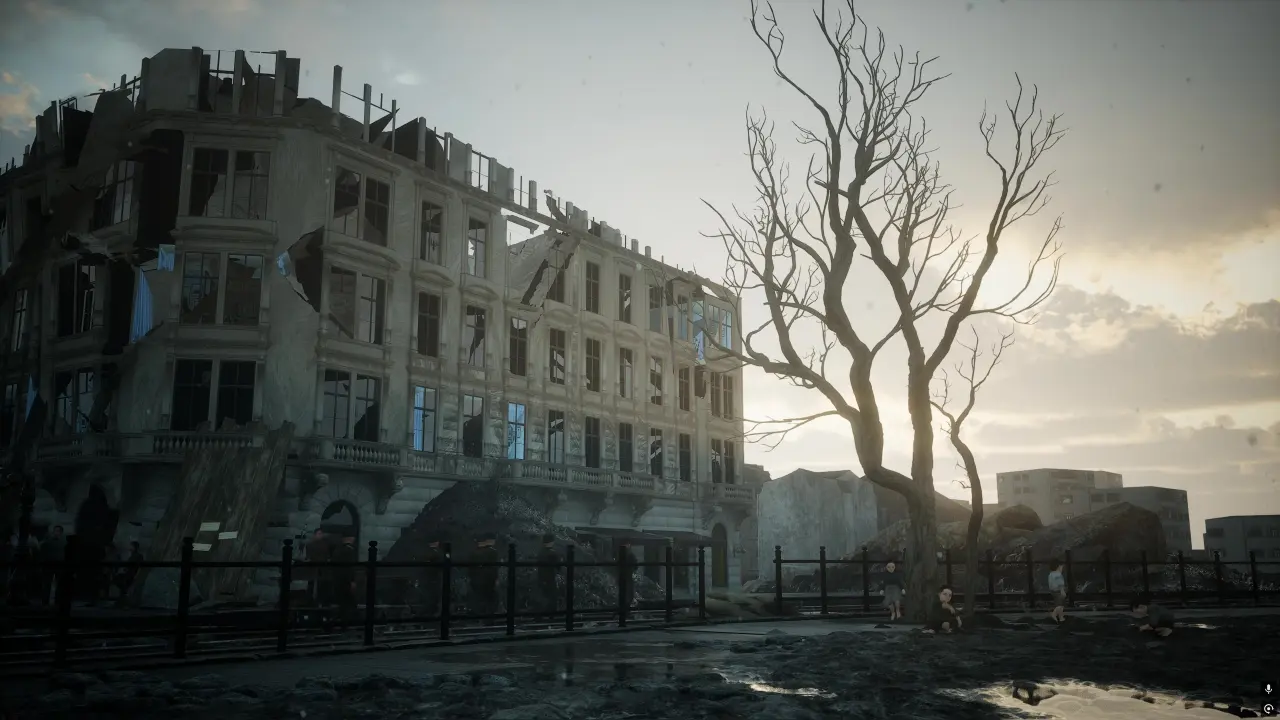
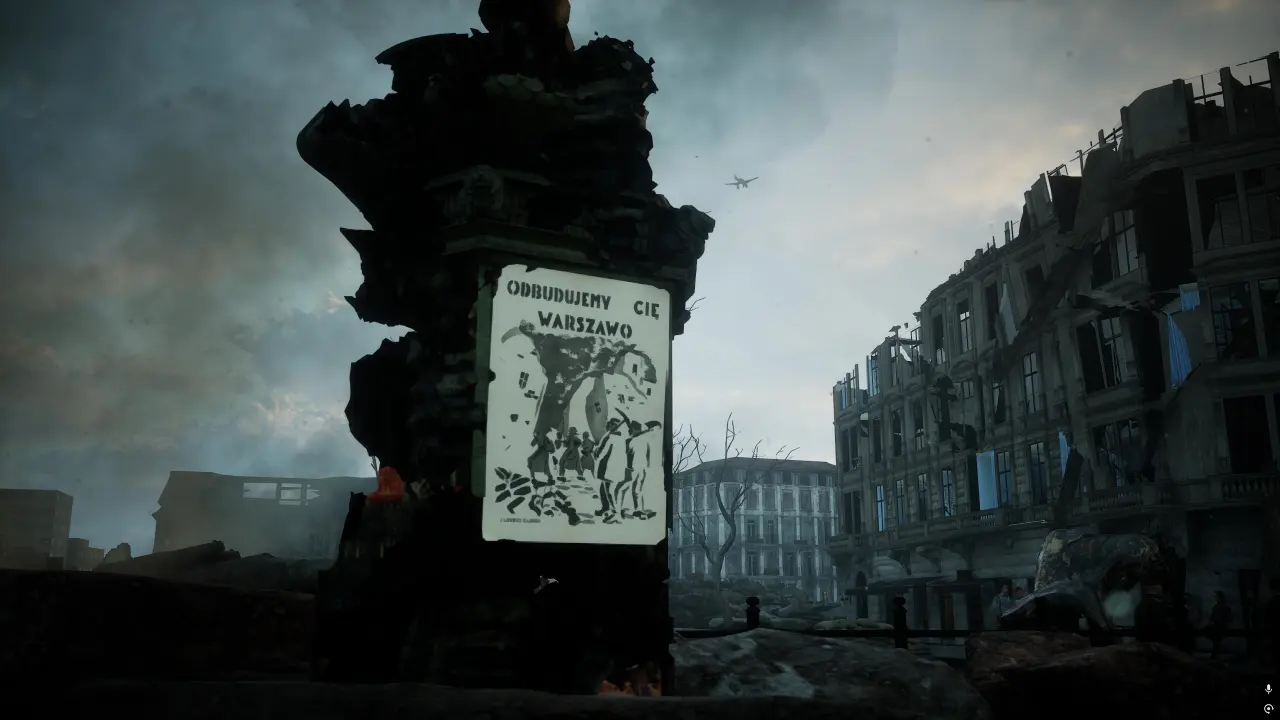
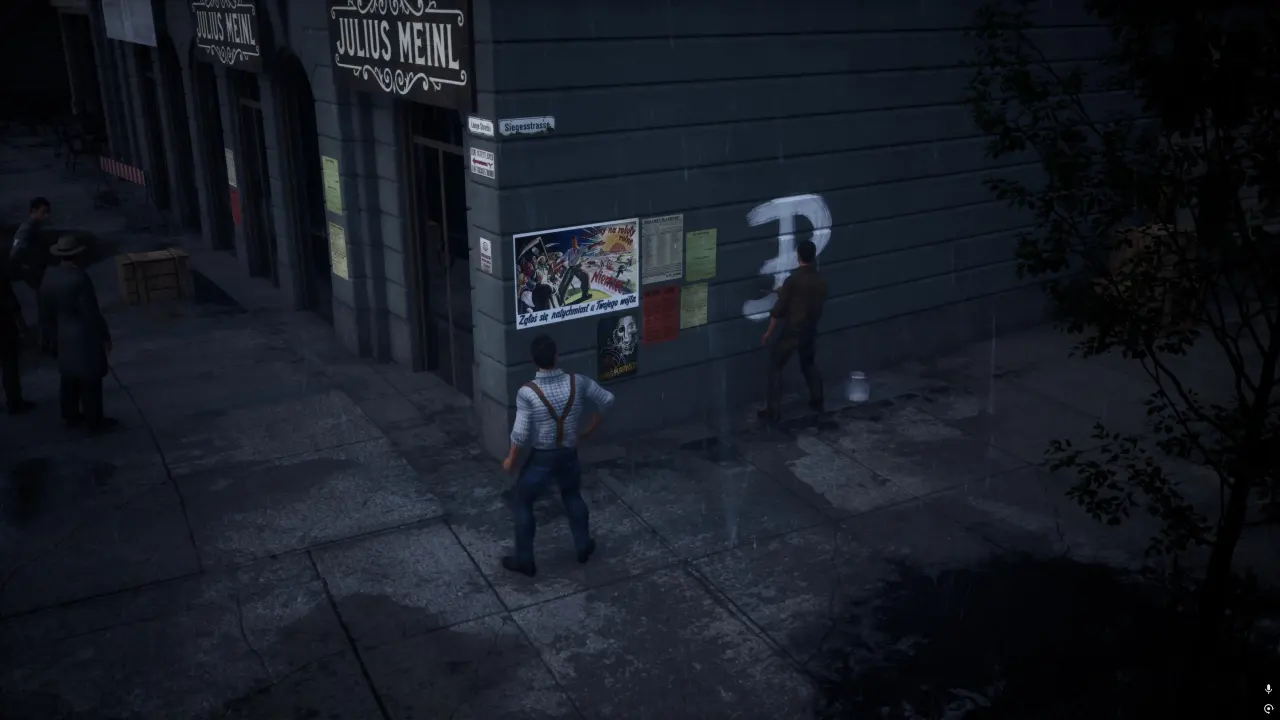
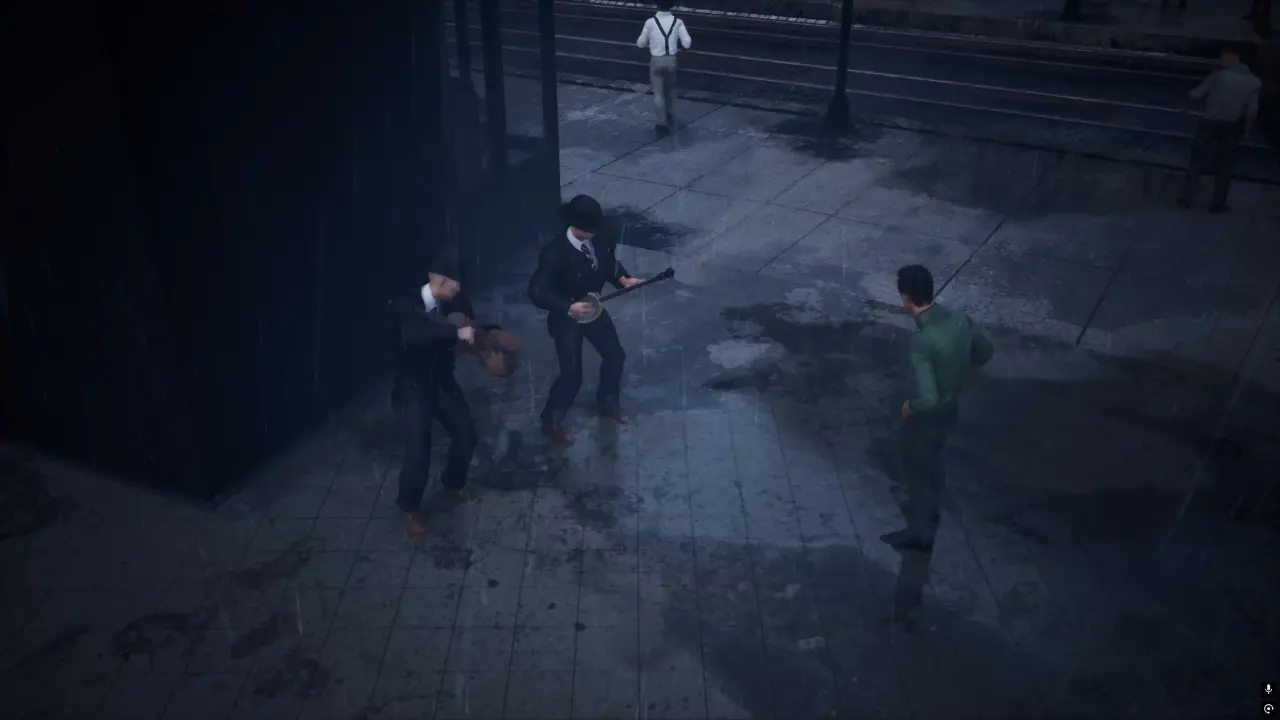
Warsaw Museum 3D Reconstruction in Unreal Engine 5.7
We built a museum grade three scene timeline. Pre war, war time, and post war periods recreated in high fidelity 3D, optimized for large screen looping playback and guided visitor flow.
Award: Best Blockchain Game Development Company by TechBehemoths
Project Overview and Technical Effort
This was a research heavy project. The pre war and post war architecture needed careful verification against archival photos and period maps. We modeled large parts in Blender, produced retopologized meshes, baked PBR textures, and then assembled the scenes in Unreal Engine 5.7 for final lighting and interaction.
Work highlights: extensive reference gathering, photogrammetry where available, manual cleanup in Blender, UV unwrapping and texture atlasing, texture baking, and mesh optimization. Every major facade was checked for historical accuracy and adjusted against source imagery.
Animations and Systems
We implemented crowd animations, idle behaviors, and sequencer driven camera passes. Animations include blend trees, state machines, animation blueprints, and layered skeletal animation for interactable props. Destruction sequences use Chaos and Niagara driven particle systems with procedural debris placement.
Tech Stack and Pipeline
Pipeline note: models were created and validated in Blender, exported as FBX with cleaned pivots, then imported into Unreal. Textures were authored in tiled PBR workflows, baked and compressed for runtime efficiency. We used instancing and hierarchical LODs to keep scenes performant.
Historical Timeline Scenes
Detailed period props, market stalls, signage, street furniture, and accurate building facades. Modeled largely in Blender with texture baking for authentic material response.
Destruction systems use Chaos constraints, particle driven smoke and dust via Niagara, and dynamic lighting shifts to convey the period atmosphere.
Restored facades and clean lighting. Scenes were optimized for readability in a museum setting and for long duration playback without memory spikes.
Challenges and Technical Solutions
Key Challenges
- Balancing historical fidelity with runtime performance
- Streaming large city blocks and keeping stable frame timing
- Coordinating destruction VFX without heavy CPU spikes
Technical Fixes
- Nanite for dense geometry and HLOD for distant blocks
- Streaming virtual textures to reduce memory overhead
- Instanced foliage and procedural scatter for ground detail
- GPU driven particles where possible to offload CPU
- Sequencer based batching for cinematic playback
Impact
The installation improved visitor engagement and created a repeatable pipeline for heritage visualizations. The technical pipeline from Blender to Unreal ensures we can reproduce similar projects faster while keeping historical accuracy.
Need a museum grade visualization?
We build authentic historical reconstructions, VR installations, and interactive exhibits using Blender and Unreal Engine.
Contact NipsApp Game StudiosOur work is validated by independent client reviews and industry recognition across global B2B platforms and game development communities.
CLIENT REVIEWS What Clients Say About NipsApp
These are verified client reviews of NipsApp Game Studios collected from trusted third party platforms including Clutch, GoodFirms, Trustpilot, and Sortlist. The feedback reflects real client experiences with our game development services across mobile, VR, blockchain, multiplayer, and full cycle game development projects.
Excellent VR Game Development
Simon Collins Laflamme, Clutch
The game achieved a strong Steam rating and was featured in VR focused gaming blogs. Players praised the motion driven mechanics and realistic interaction design.
Outstanding Mobile App Development
Tom Rossi, Buzzsprout, GoodFirms
Working with NipsApp Game Studios was smooth from start to finish. The team clearly understood our product vision and delivered on time.
Highly Recommended for VR Projects
Cristobal Souza, Trustpilot
We partnered with NipsApp Game Studios for a VR anatomy project. The execution quality and technical accuracy exceeded expectations.
Top Game Development Company
Sortlist
NipsApp Game Studios is listed as a top rated game development company with expertise in mobile, VR, and blockchain based solutions.
Seamless Project Delivery
Tirtha Rahaman, Clutch
The team delivered measurable results on schedule and helped us understand how the solution fit within our existing infrastructure.
Highly Recommended VR Studio
Sarah Johnson, GoodFirms
NipsApp delivered immersive and interactive VR experiences with a clear focus on performance and usability.
Related Case Studies
Explore more of the games and interactive experiences NipsApp Game Studios has shipped across mobile, VR, AR, blockchain, and beyond.


 View on Apple Maps
